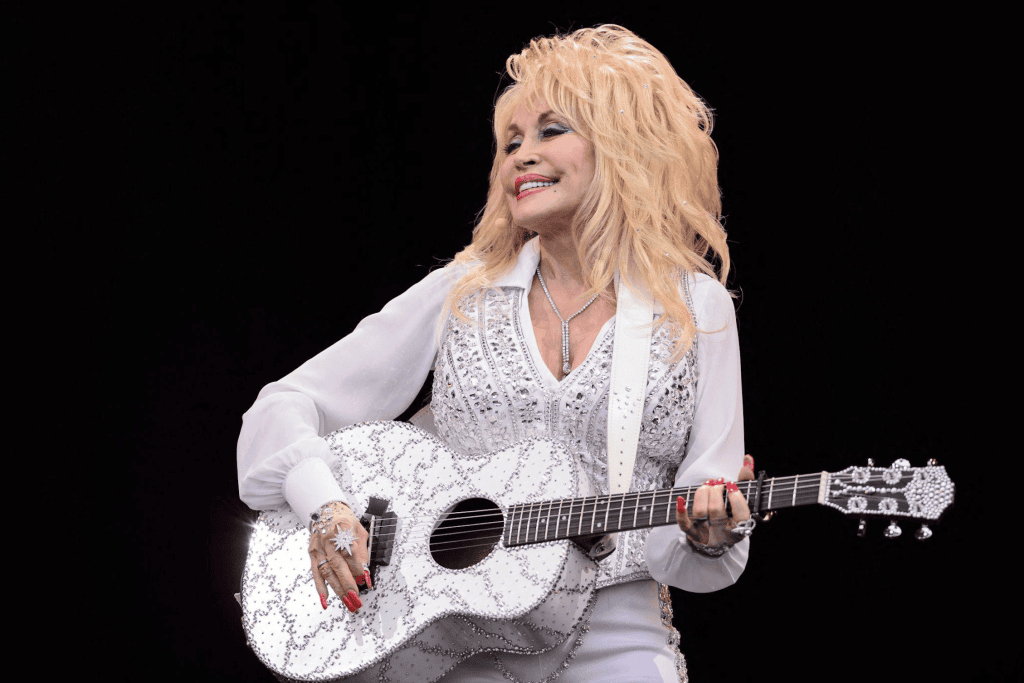
The legendary singer, songwriter, actress, and philanthropist leaves behind one of the most remarkable legacies in American music.
There are artists whose songs become hits, artists whose careers become legendary, and then there are the rare few who become something much bigger than either.
Dolly Parton was one of those few.
Dolly Parton died Tuesday, August 25, at the age of 80, bringing an end to a career that stretched more than six decades and touched nearly every corner of American music and culture. Her family confirmed her death in Nashville. ([Reuters][1])
Trying to sum up Parton simply as a country music icon almost feels inadequate.
She was one of the greatest songwriters popular music has ever produced. She was a singer with a voice recognizable within seconds. She was an actress, businesswoman, author and philanthropist. Most importantly, she was unmistakably Dolly, a woman who built an entire career around being exactly who she wanted to be and somehow made millions of people feel like they knew her personally.
Born January 19, 1946, in rural East Tennessee, Parton grew up as one of 12 children in a family with very little money. Those beginnings would eventually become part of her songwriting, most famously on “Coat of Many Colors,” a song that transformed a childhood memory of poverty into one of country music’s most enduring stories.
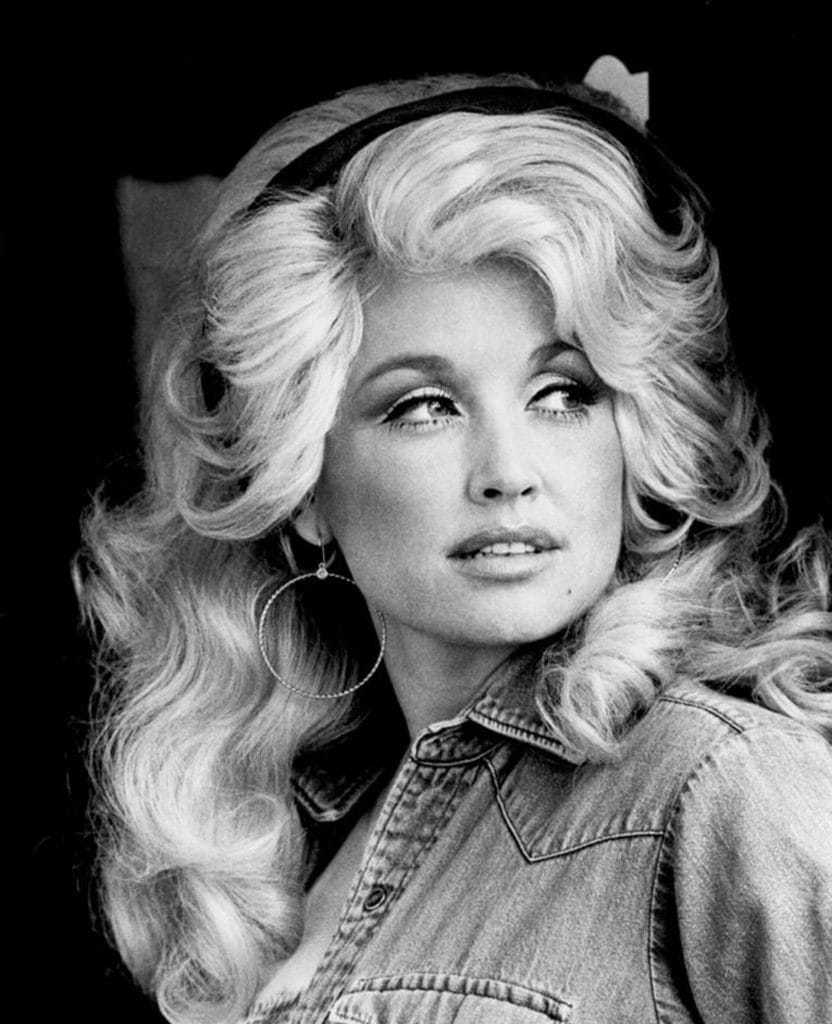
After moving to Nashville, Parton began building a career as a songwriter before gaining national attention alongside Porter Wagoner. By the 1970s, she was becoming a star in her own right, and the songs she wrote during that period helped redefine what a country songwriter could accomplish.
“Jolene.” “Coat of Many Colors.” “Here You Come Again.” “9 to 5.” “I Will Always Love You.”
Those titles barely scratch the surface.
Parton wrote thousands of songs throughout her life, but what separated her from so many others was the humanity she could fit into just a few minutes of music. Her songs could be funny, devastating, vulnerable or defiant. She wrote about working people, complicated relationships, poverty, faith, heartbreak and survival without ever making the people inside those stories feel like characters.
They felt real.
Perhaps no song better demonstrates the reach of her songwriting than “I Will Always Love You.” Parton first took the song to No. 1 on the country chart in the 1970s, then watched it become one of the biggest recordings in pop history nearly two decades later when Whitney Houston recorded it for *The Bodyguard*.
That was Dolly Parton’s gift. A song written from one very personal moment could eventually belong to everyone.
Her influence also refused to stay inside country music.
Rock artists covered her songs. Pop stars cited her as an inspiration. Songwriters across genres studied her work. Generations who weren’t alive when “Jolene” was released still knew every word when it came through the speakers.

That crossover eventually became official recognition when Parton was inducted into the Rock and Roll Hall of Fame in 2022. In typical Dolly fashion, she initially questioned whether she belonged there. She later embraced the honor and followed it with *Rockstar*, an album that found her collaborating with artists from across the rock world.
It was another reminder that genres never really had much power over Dolly Parton.
Music was only one part of the legacy she leaves behind.
Her Imagination Library grew from a literacy program serving children in East Tennessee into an international effort that has distributed hundreds of millions of books to children. She supported disaster relief in her home state, contributed to medical research and repeatedly used the success she had earned to help the communities around her. ([Reuters])
There was also Dollywood, the theme park that carried her name but became far more than another celebrity business venture. It created jobs and helped transform tourism in the region where she grew up while keeping her connection to East Tennessee at the center of everything she built.
Through all of it, Dolly never seemed particularly interested in pretending to be anything other than herself.
The hair was big. The clothes sparkled. The jokes often came at her own expense. Behind all of it was an extraordinarily sharp songwriter and businesswoman who understood exactly what she was doing.
That combination made her almost impossible to categorize.
She could walk onto a country stage and immediately feel at home. She could appear beside rock stars, pop singers or actors and never seem out of place. Grandparents loved her. Their children loved her. Eventually their grandchildren did too.
Few entertainers ever manage that.
Parton also endured enormous personal loss late in her life. Her husband, Carl Dean, whom she married in 1966, died in March 2025 after nearly six decades of marriage. She spoke openly afterward about navigating life without the man who had remained largely outside the spotlight while standing beside her for most of her career. ([People.com]
Now the music world is faced with something that has always been difficult to imagine: a world without Dolly Parton in it.
But artists like Dolly don’t really disappear.
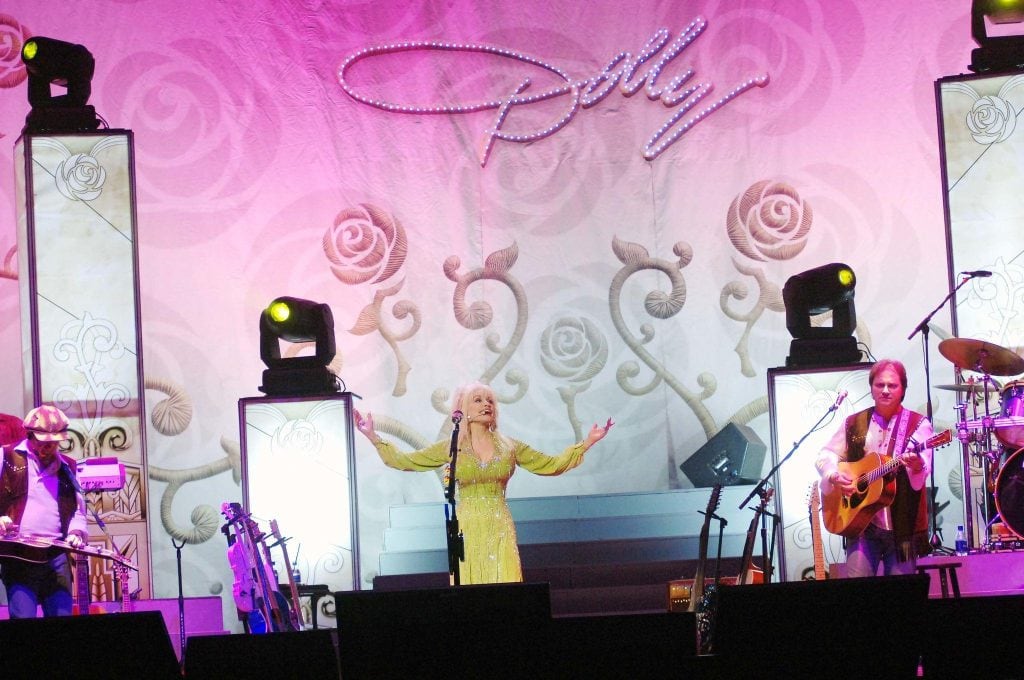
They remain every time someone hears that opening guitar line of “Jolene.” Every time somebody sings “9 to 5” on the way to work. Every time a songwriter discovers “Coat of Many Colors” for the first time. Every time another child opens a book that arrived because Dolly believed that child deserved one.
And somewhere, inevitably, someone will begin singing “I Will Always Love You.”
For more than 60 years, Dolly Parton gave us songs, stories, laughter and a remarkably consistent example of what could happen when enormous talent was paired with an equally enormous heart.
There will never be another Dolly.
But there will always be her music.
Dolly Parton January 19, 1946, August 25, 2026**
Watch
Follow
More live coverage, photo galleries, and tour news.
Follow No Flash Needed for concert reviews, show galleries, tour announcements, and upcoming shows worth keeping on your radar.
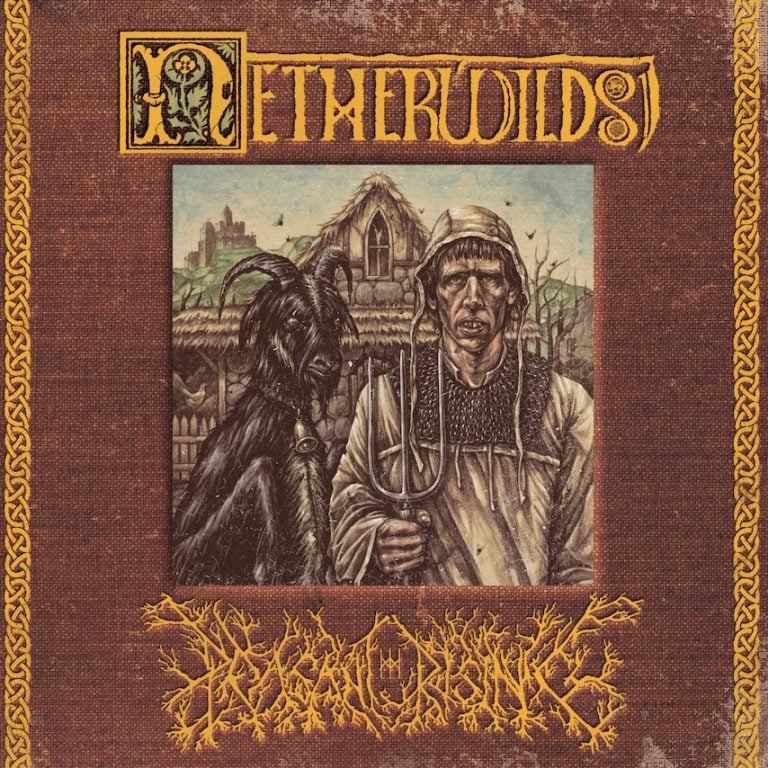
Artist: Netherwilds Album: Peasant Rising Label: King Volume Records Release Date: October 9, 2026 Genre: Avant-Garde Metal Every…
Oct 7, 2026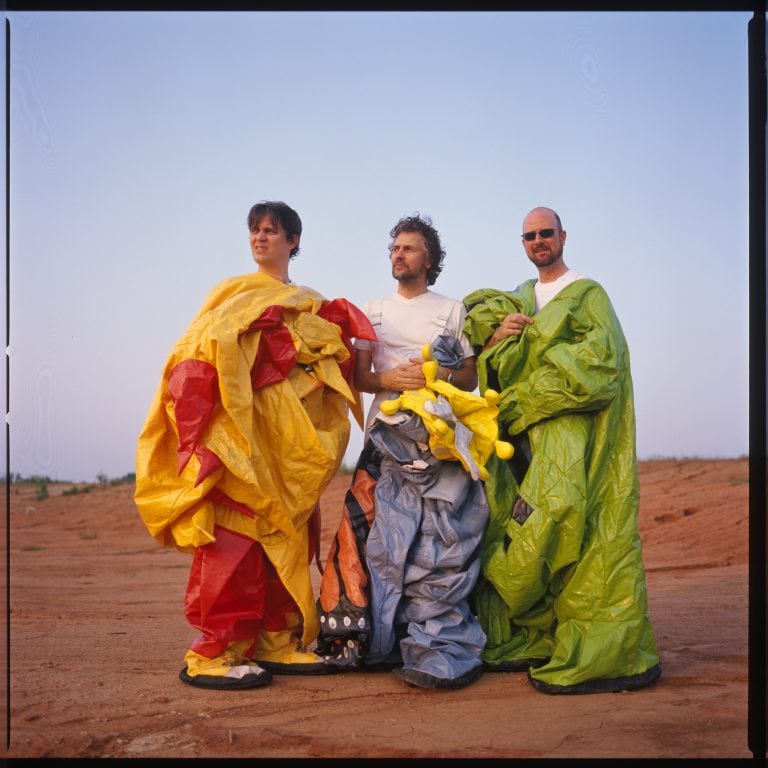
The Flaming Lips are celebrating two decades of At War With The Mystics with an expansive new deluxe…
Oct 1, 2026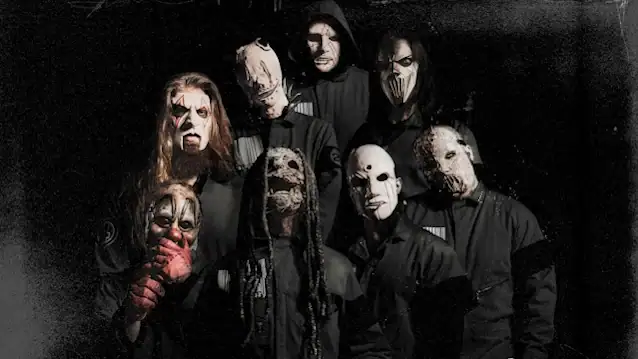
Slipknot are back with new music. The Iowa metal giants released their surprise new single, “Arsenal,” on September…
Sep 9, 2026