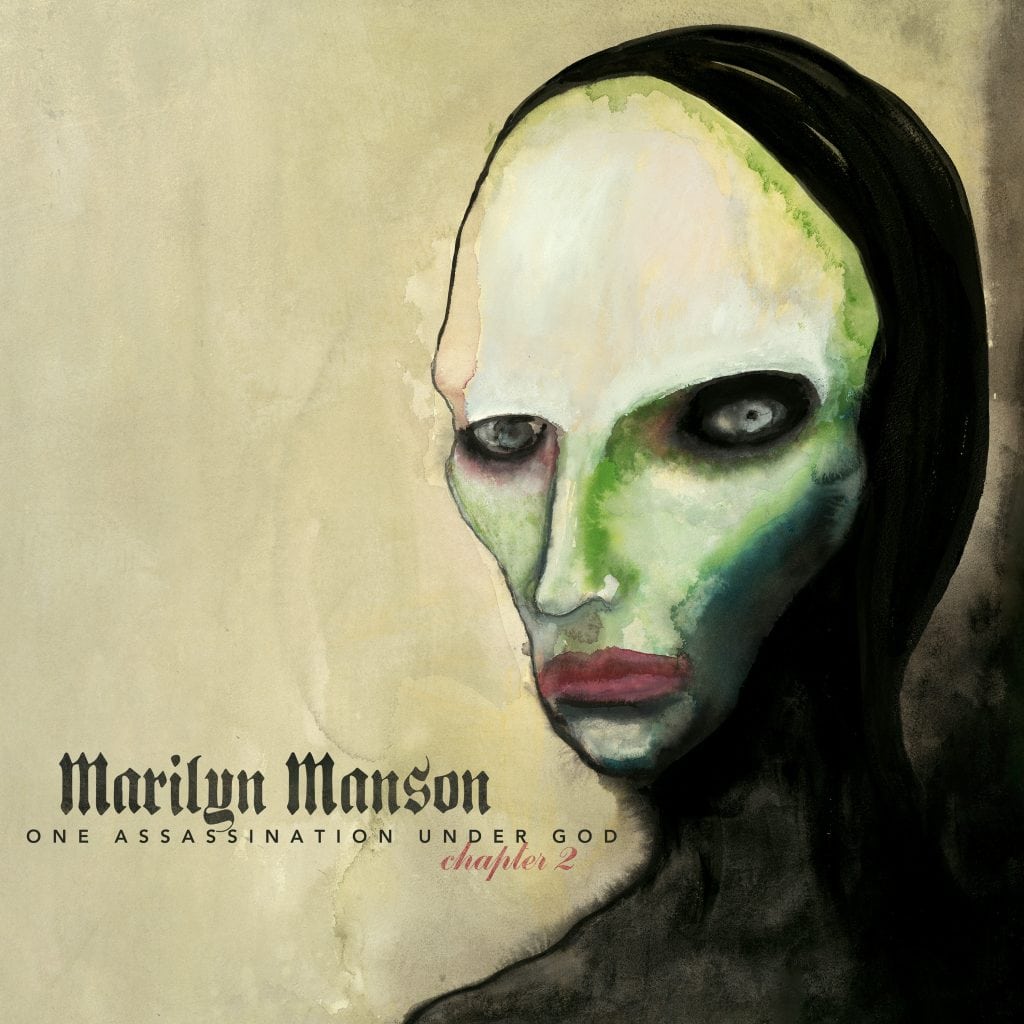
Artist: Marilyn Manson
Album: One Assassination Under God – Chapter 2
Release Date: August 14, 2026
Label: Nuclear Blast Records
Genre: Hard Rock / Industrial Metal
Origin: Los Angeles, CA
Follow Marilyn Manson:
Website | Facebook | Instagram | Bandcamp | Spotify | Apple Music
There may be no artist in rock music more difficult to separate from the conversation surrounding him than Marilyn Manson. For more than three decades, controversy has followed the name almost as closely as the music, and in recent years that conversation has become considerably heavier. Depending on who you ask, opinions about Manson are often firmly established before the first note ever plays.
But an album review should ultimately be about the album.
Released August 14 through Nuclear Blast Records, One Assassination Under God, Chapter 2 is a nine-song record that finds Marilyn Manson sounding noticeably different from the artist who built a career on chaos, confrontation and provocation. The darkness is still there. The imagery certainly has not disappeared. What has changed is how he delivers it.
This is a more controlled Manson, and strangely enough, that restraint makes him sound more confident than he has in years.

“Unalive” opens the album on an unexpectedly somber note. Rather than immediately attacking the listener, the song establishes a mood and lets it settle in. There is weight behind it, but not the uncontrolled aggression that once seemed almost inseparable from Manson’s music. It feels more reflective, setting the stage for an album that spends considerably more time looking inward than simply trying to shock outward.
“Don’t Answer the Door” makes that evolution even clearer. Manson’s voice sounds remarkably controlled here. There is still menace in his delivery, but it no longer feels chaotic. Instead, there is the sense of someone who has finally learned how to live with the inner demons he spent decades letting loose.
That may be one of the biggest surprises of Chapter 2. Manson does not sound like he is trying to recreate his younger self. His voice carries age, experience and maturity, and the record is better because he allows those things to exist.
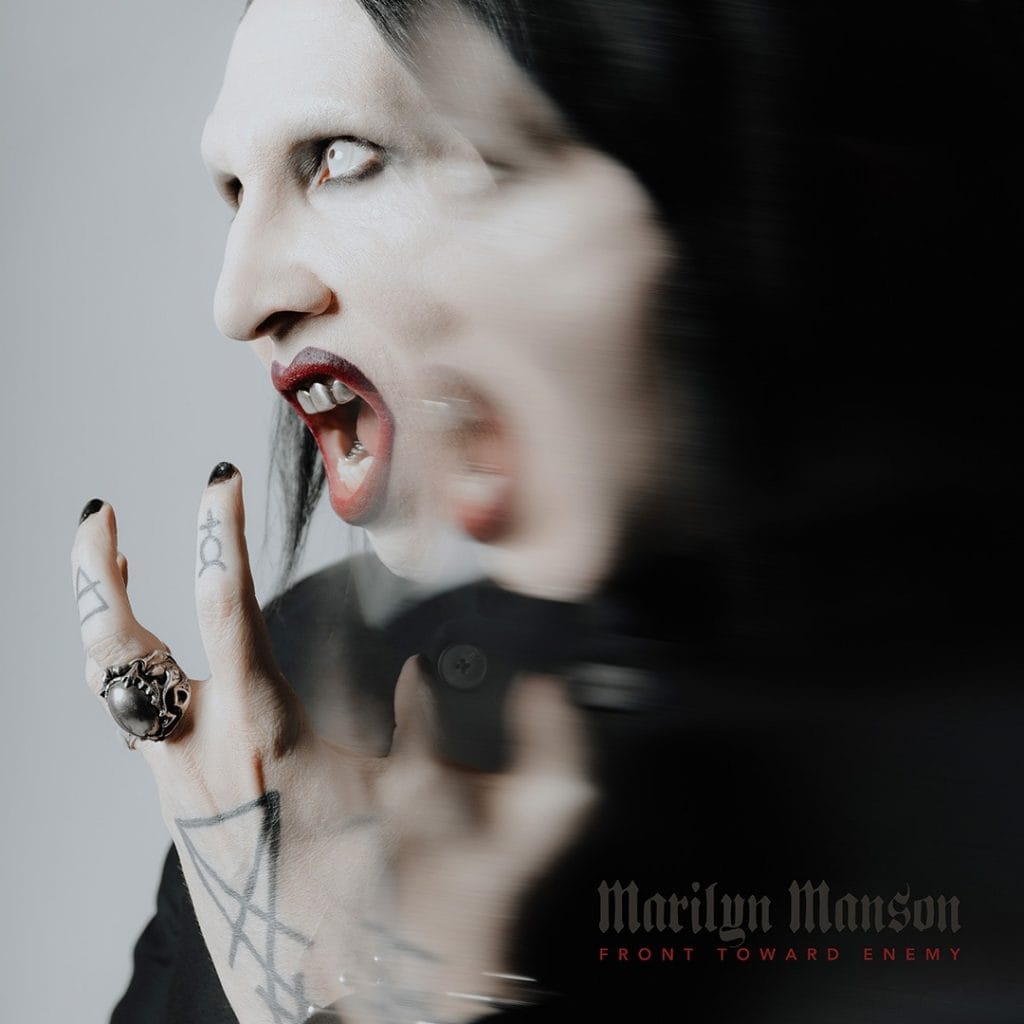
Then “Front Toward Enemy” reaches backward.
There are moments here that immediately recall the raw attitude of early Manson, particularly the Portrait of an American Family era and songs like “Lunchbox.” The difference is control. The edges remain sharp, but they are being directed rather than thrown in every direction. It gives the song some of the familiarity longtime listeners may be looking for without turning it into an attempt to simply recreate 1994.
“All The Vilest Things” leaves considerably less room for interpretation. From its opening words, you have a pretty good idea where the song is headed. It plays like Manson’s response to years of people taking shots at him, discussing him and deciding what his story is. Whether the listener agrees with his perspective is another matter entirely, but there is little question that Manson has something he wants to say.
That distinction matters throughout this record.
One Assassination Under God, Chapter 2 does not require the listener to agree with Manson. It asks them to listen to what he is saying.
“None of the Suns” is where the album begins to change shape. The lyrics grow darker while the music carries an unexpected melodic quality. There are moments that would not have sounded completely out of place on alternative radio in the 1980s alongside something like Echo & the Bunnymen. It is gloomy and atmospheric without relying entirely on heaviness, and it acts almost as the dividing line between the two sides of the record.
From there, we meet a different version of Marilyn Manson.
“Lucifer’s Teardrop” expands the scale dramatically. The record becomes cinematic, theatrical and larger than life. There is an almost operatic character to the music that at times brings Ghost to mind, but filtered through Manson’s considerably darker world.
If early Marilyn Manson felt like stumbling onto a witch circle around a bonfire somewhere deep in the woods, this feels like receiving an invitation to the ornate cathedral down the road.
Same darkness. Much nicer building.
“The Arsonist” brings the album’s central idea into even sharper focus. Manson essentially says it himself: there are a lot of bridges left for him to burn. It would be easy for that sentiment to become another explosion of anger, but once again, the interesting part is how controlled everything remains.
By the time “Exit Wound” arrives, a theme has become difficult to ignore. Much of this album is about being hated, judged, attacked or written off and deciding what to do with that weight. Manson’s answer does not appear to be an apology, nor does it sound like a plea for acceptance.
It sounds more like persistence.
His vocals are especially important to making that work. There is a solidity to his voice that has not always been present in recent years. He sounds focused and deliberate, as though every word has somewhere specific to land.
That leads into “Enantiomorph,” a fitting conclusion to an album built around transformation, opposition and survival. The final moments bring everything full circle. Manson leaves the listener with the message that he is not afraid to burn and, more importantly, that he has no intention of going quietly.
And maybe that is the simplest way to understand One Assassination Under God, Chapter 2.

Love Marilyn Manson or hate him. Neither changes what is actually on this record.
This is one of his strongest albums in years.
The most interesting part is that he gets there without trying to out-Manson Marilyn Manson. There is growth in his voice and restraint in his delivery. The chaos that defined so much of his earlier work has been replaced by something colder, calmer and considerably more deliberate. The impression is of an artist who has spent considerable time confronting his own struggles and has emerged with a different kind of confidence.
The old Manson would scream something in your face until you had no choice but to react.
This Manson does not need to.
It reminds me of the difference between a parent yelling at you and the moment they stop yelling altogether. Instead, they calmly tell you they are disappointed. Somehow, that quiet voice sticks with you longer and hits you harder.
That is what this album does.
Manson still has plenty to say about the people who hate him, the bridges behind him and the fires still burning around him. But instead of throwing everything into the flames, One Assassination Under God, Chapter 2 feels polished, refined and remarkably composed.

After more than 30 years of Marilyn Manson making people uncomfortable, angry, fascinated or some combination of all three, perhaps the biggest surprise is hearing him discover that he no longer has to scream to command the room.
He has a message.
He believes he is still here for a reason.
And this time, he is saying it quietly enough that you might actually listen.
Watch
Follow
More live coverage, photo galleries, and tour news.
Follow No Flash Needed for concert reviews, show galleries, tour announcements, and upcoming shows worth keeping on your radar.
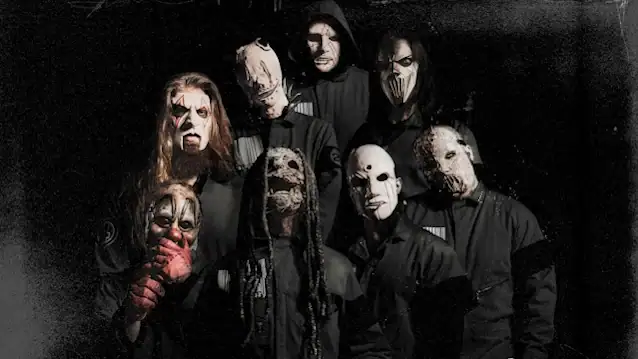
Slipknot are back with new music. The Iowa metal giants released their surprise new single, “Arsenal,” on September…
Sep 9, 2026
Bad Wolves have released a rock cover of "Jolene" in tribute to Dolly Parton, who died last week…
Aug 31, 2026
The unmistakable voice behind *The Rocky Horror Picture Show*, *Annie*, *Spamalot* and countless unforgettable roles leaves behind a…
Aug 26, 2026